Hungarian vs Hun vs Mongolian Bows: Which Traditional Bow Should You Choose?

Choosing your first traditional bow can feel overwhelming.

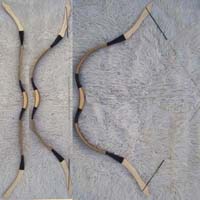
Hungarian, Hun and Mongolian bows all share a common mounted archery heritage, yet each design offers unique shooting characteristics, handling qualities and historical inspiration.

While personal preference always plays an important role, understanding the strengths of each bow style can help you choose the traditional bow that best fits your goals.

Understanding Traditional Horse Bow Design

Traditional horse bows evolved across centuries of mounted warfare, hunting and practical archery.

Although these bows often look similar at first glance, small differences in limb geometry, siyah design, reflex profile and draw characteristics create noticeably different shooting experiences.

The best bow for you depends on:

  • Your experience level
  • Intended use
  • Preferred draw feel
  • Historical design preference

Hungarian Bows

Best for: Versatility, Smooth Performance and Historical Mounted Archery

Hungarian traditional bows are among the most balanced and versatile horse bow designs.

They combine:

  • Smooth draw cycle
  • Excellent speed
  • Comfortable handling
  • Forgiving shooting characteristics

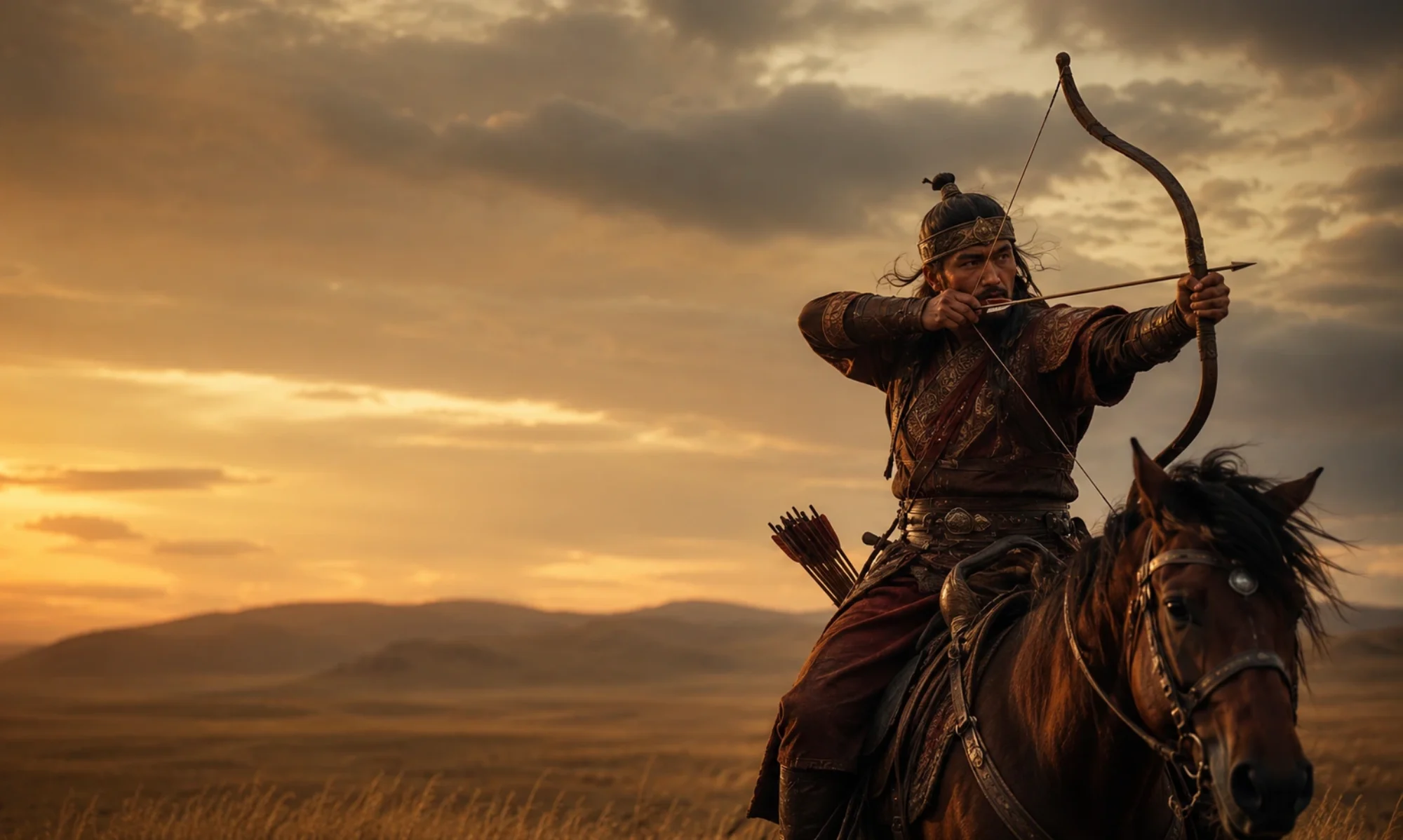
These bows evolved for practical mounted warfare, emphasizing fast shooting, maneuverability and instinctive accuracy.

Advantages of Hungarian Bows

✓ Smooth and predictable draw

✓ Excellent for mounted archery

✓ Beginner-friendly in lighter draw weights

✓ Balanced speed and control

✓ Strong historical authenticity

Ideal For

  • Beginners
  • Mounted archers
  • Traditional target shooters
  • Archers seeking versatility

If you are unsure where to start, Hungarian bows are often the safest and most adaptable choice.

Hun Bows

Best for: Powerful Performance and Aggressive Reflex Design

Hun bows are visually striking and highly dynamic.

Their aggressive reflex profile often produces:

  • Faster arrow cast
  • Strong energy transfer
  • Distinctive shooting feel

They tend to feel more powerful and lively in the hand.

Advantages of Hun Bows

✓ Fast arrow speed

✓ Strong historical identity

✓ Compact design

✓ Dynamic shooting response

Considerations

Hun bows can feel less forgiving for complete beginners if chosen in heavier draw weights.

They reward good shooting form.

Ideal For

  • Intermediate archers
  • Mounted archers
  • Historical enthusiasts
  • Archers wanting a more aggressive bow feel

If you appreciate power and distinctive historical design, Hun bows are an excellent choice.

Mongolian Bows

Best for: Comfort, Stability and Smooth Traditional Shooting

Mongolian bows are known for their exceptionally comfortable draw and stable shooting characteristics.

Their design often provides:

  • Smooth draw progression
  • Strong arrow cast
  • Excellent shooting comfort

They are widely appreciated for long practice sessions.

Advantages of Mongolian Bows

✓ Comfortable draw cycle

✓ Excellent stability

✓ Forgiving shooting feel

✓ Great for instinctive target shooting

Ideal For

  • Beginners
  • Recreational archers
  • Traditional target practice
  • Archers prioritizing comfort

Mongolian bows are often an outstanding choice for archers who value smoothness and consistency.

Quick Comparison

Choose a Hungarian Bow if:

You want versatility and historical mounted archery authenticity.

Choose a Hun Bow if:

You prefer aggressive reflex performance and fast dynamic shooting.

Choose a Mongolian Bow if:

You want smooth draw comfort and forgiving handling.

What About Personal Preference?

This is where traditional archery becomes deeply personal.

Many experienced archers eventually choose bows based on:

  • Historical fascination
  • Visual aesthetics
  • Cultural connection
  • Individual shooting feel

Two bows with similar specifications can feel completely different in the hand.

That is part of what makes traditional archery so rewarding.

Our Recommendation for Beginners

If this is your first traditional bow:

Safest starting choices

  1. Hungarian Bow
  2. Mongolian Bow
  3. Light draw weight Hun Bow

These offer the most accessible learning curve.

Need Help Choosing?

Choosing the right traditional bow depends on:

  • Draw weight
  • Experience level
  • Shooting goals
  • Historical preference

If you are unsure, contact us and we will help recommend the ideal bow for your traditional archery journey.

Essential Traditional Archery Techniques Every Beginner Should Learn

Traditional archery focuses on instinct, body awareness and consistent shooting mechanics.

Unlike modern sight-based archery, traditional shooting develops natural coordination and intuitive precision.

1. Proper Stance

Stand with feet shoulder-width apart.

Your body should remain stable and balanced throughout the shot.

A consistent stance creates repeatable accuracy.

2. Grip

Hold the bow lightly.

Avoid gripping too tightly, as tension transfers into the shot.

A relaxed bow hand improves arrow flight.

3. Anchor Point

The anchor point is where your drawing hand consistently touches your face.

Common anchor points:

  • Corner of mouth
  • Cheekbone
  • Jawline

Consistency here is critical.

4. Smooth Draw

Draw the string in one controlled movement.

Avoid jerking or collapsing.

5. Focus on the Target

Traditional archery relies heavily on instinctive aiming.

Focus your eyes exactly where you want the arrow to land.

6. Clean Release

Relax your fingers naturally.

Do not force the release.

7. Follow Through

Maintain posture after release.

Good follow-through improves consistency.

Practice Builds Instinct

Traditional archery is learned through repetition.

Consistent practice develops natural shot intuition.

How to Choose the Right Draw Weight for a Traditional Recurve Bow

Choosing the correct draw weight is one of the most important decisions when buying a traditional recurve bow.

Many beginners assume that a heavier bow means better performance. In reality, starting with too much draw weight often leads to poor shooting form, inconsistent accuracy and unnecessary muscle strain.

The right draw weight allows you to develop proper technique, improve consistency and enjoy traditional archery from the very beginning.

What Is Draw Weight?

Draw weight is the amount of force required to pull the bowstring to a specified draw length, usually measured in pounds (lbs).

For example, a 30 lb bow requires approximately 30 pounds of force when fully drawn.

Traditional recurve bows become heavier the farther you draw them, so your actual draw weight depends on your personal draw length.

Recommended Draw Weight for Beginners

20–25 lbs

Ideal for:

25–30 lbs

Recommended bows for this use

Recommended for most adult beginners.

This range provides enough resistance for effective training while allowing proper technique development.

30–35 lbs

Suitable for:

  • Athletic beginners
  • Individuals with previous archery or strength-training experience

Recommended bows for this use

35+ lbs

Recommended only for experienced traditional archers.

Why Starting Too Heavy Is a Mistake

A bow that is too heavy often causes:

  • Poor anchor consistency
  • Shoulder strain
  • Target panic
  • Reduced shooting accuracy
  • Slow technical progress

Mastering form with a lighter bow produces better long-term results.

Choosing Based on Intended Use

Recreational Target Shooting

25–30 lbs

Traditional Field Archery

30–35 lbs

Mounted Archery

25–35 lbs depending on experience

Need Help Choosing?

At Recurve Bow Shop, we help every archer select the ideal draw weight based on experience, strength and shooting goals.

Choosing correctly ensures a better traditional archery experience from day one.

Archery Techniques and Tips

A Guide for Beginners and Advanced Archers on Proper Techniques, Training Plans, and Common Mistakes

Archery is a sport that combines focus, discipline, and technique. Whether you’re a beginner picking up a bow for the first time or an experienced archer striving for more precision, mastering the right techniques and practicing consistently is essential for improving your performance. In this guide, we’ll explore essential archery techniques, training plans, and some common mistakes to avoid.

Essential Archery Techniques for Beginners

Starting off in archery may seem overwhelming, but with the right foundation, you’ll find your way to success. Below are some key techniques to help beginners develop proper form:

1. Stance and Posture

The first step in a proper shot is the stance. Stand with your feet shoulder-width apart, and face perpendicular to the target. Your body should be relaxed, but steady. Keep your knees slightly bent and weight balanced on the balls of your feet. This ensures that you have a stable base and proper posture for shooting.

2. Grip

Your grip on the bow should be firm but relaxed. Avoid holding the bow too tightly, as this can lead to unnecessary shaking and affect accuracy. The bow should rest gently in the “v” between your thumb and index finger, with your fingers lightly placed on the grip. The goal is to let the bow move freely upon release.

3. Nocking the Arrow

Place the arrow onto the bowstring with the “nock” (the small clip at the back of the arrow) fitting over the bowstring. The fletching (feathers) of the arrow should point away from the bow, with one of the feathers (often the odd-colored one) pointing towards the archer. Make sure the arrow is secure before drawing the string.

4. Drawing the Bowstring

When drawing the bowstring, use your back muscles rather than just your arms. This is crucial for generating power and accuracy. The draw should be smooth and consistent, pulling the string back to your anchor point (usually around the corner of your mouth or the cheekbone). Keep the elbow high and the string in line with the arrow.

5. Aiming

With your bow drawn, focus on the target and align the arrow with your sight (if you are using one) or use instinctive shooting (where you rely on your body’s natural instincts). For beginners, using a sight can be helpful, but with practice, instinctive aiming becomes more intuitive. Make sure your form is steady and keep your gaze focused on the target, not on the bow or string.

6. Release

The release should be smooth and controlled. Relax the fingers that are holding the string, allowing the bowstring to slip off smoothly. A clean release prevents jerking, which can affect the accuracy of the shot. Follow through by keeping your bow arm extended and maintaining your focus on the target after the shot.


Advanced Archery Techniques for Improved Accuracy

As you progress in archery, refining your technique becomes even more important. Here are some advanced tips to help you improve:

1. Back Tension

Advanced archers rely heavily on back tension to create a powerful and smooth draw. This means using your back muscles to create the necessary force to draw the bowstring, rather than relying on your arm strength alone. When drawing the bowstring, think of “pulling” with your back muscles and imagine squeezing your shoulder blades together.

2. Anchor Point Consistency

Maintaining a consistent anchor point is key to accuracy. The anchor point is where the bowstring touches your face or chin each time you draw. This consistency ensures that every shot has the same starting position, which translates to better shot placement. Make sure you are always anchoring in the same spot, whether it’s on your mouth, jawline, or cheekbone.

3. Breathing Control

Breathing plays an important role in shooting consistently. Many advanced archers practice controlled breathing during their draw to help maintain focus and reduce tension. Try to take a deep breath, exhale slowly, and then hold your breath as you release the arrow. This eliminates any unwanted movement caused by shallow or erratic breathing.

4. Follow Through

After releasing the arrow, don’t immediately drop your bow arm. Keep your bow arm extended, and follow through with your shot. This helps with maintaining stability and ensuring that you don’t interrupt the flight of the arrow. Your body should remain steady until the arrow hits the target.


Training Plans for Archery Progress

A consistent training plan is vital for improving your skills in archery. Here’s a simple plan that both beginners and advanced archers can follow:

For Beginners:

  1. Warm-up: Always start with basic stretches and warm-up exercises. Focus on stretching your arms, shoulders, and back muscles to avoid injury.
  2. Daily Practice: Aim for 20-30 minutes of shooting daily. Focus on technique rather than speed or strength. Work on your stance, grip, and drawing form.
  3. Target Practice: Start with a target at a short distance (10-15 meters). Gradually increase the distance as you become more comfortable. Aim to hit the center of the target consistently.
  4. Mindset: Practice mindfulness and focus on your form, not just the target. Take your time with each shot and focus on making each movement smooth and deliberate.

For Advanced Archers:

  1. Interval Training: Increase the intensity of your training by practicing with longer distances, more arrows, or faster repetitions. Focus on maintaining consistency even under pressure.
  2. Strength Training: Incorporate strength training exercises into your routine to improve muscle endurance and power. This will help you maintain a steady draw and improve your shot accuracy over time.
  3. Mental Focus: Work on concentration techniques such as visualization. Visualize your shot before taking it, and focus on your anchor point and release.
  4. Field Practice: For added challenge, practice archery in various environments, including field archery, where targets are placed at different distances and angles. This will develop your ability to adjust your technique in varied conditions.

Common Archery Mistakes and How to Avoid Them

Even the most experienced archers make mistakes. Here are a few common pitfalls and tips on how to fix them:

1. Improper Grip

Gripping the bow too tightly can cause the bow to twist, resulting in inaccurate shots. Remember to maintain a relaxed grip and allow the bow to move naturally after the release.

2. Overdrawing the Bow

Pulling the bowstring too far can lead to instability and a poor shot. Practice drawing the bow to your consistent anchor point without overextending.

3. Jerking the Release

Releasing the bowstring too abruptly can lead to inconsistent shots. Focus on a smooth, controlled release for better accuracy.

4. Inconsistent Anchor Point

An inconsistent anchor point can result in misaligned shots. Practice finding your anchor point and making sure it stays the same with each shot.

The History and Traditions of Archery: A Timeless Craft

Archery is one of the oldest and most revered arts known to humankind. Its history stretches back thousands of years, from its role in ancient hunting practices to its place in modern sports and recreation. But archery is not merely a technique; it is a tradition, a discipline, and a craft. Let’s take a journey through time and explore the rich history, origins, and cultural significance of this timeless skill.

The Origins of Archery

The exact origin of archery is difficult to pinpoint, but it is believed to have appeared around 20,000 to 30,000 years ago. Early humans crafted bows and arrows from materials available to them, such as wood, bone, and stone, using them for hunting, survival, and defense. The first evidence of bow use comes from prehistoric cave paintings and archaeological finds.

The bow evolved alongside human civilization, becoming a vital tool in warfare. Ancient cultures such as the Egyptians, Greeks, Persians, and Chinese used archery both in battle and as a symbol of power and prestige. The bow and arrow became central to military strategies, capable of striking down enemies from a distance with deadly accuracy.

Archery in Ancient Civilizations

In ancient Egypt, archers played a significant role in the military, with the famous Egyptian archers often depicted in hieroglyphs. These early bows were often made of wood and reeds, reinforced with animal sinew. The Egyptians were the first to develop composite bows, combining wood, horn, and sinew to create a powerful and compact weapon.

In Ancient Greece and Rome, archery was also a vital part of military tactics. The Greeks favored the longbow, while the Romans introduced the use of the crossbow, which offered more power and precision. Both cultures utilized archers in large numbers, often as specialized units that could disrupt the enemy from afar.

Meanwhile, in Asia, archery had an important role in the Mongol Empire and the Chinese dynasties. The Mongols, in particular, were known for their exceptional archery skills, with mounted archers who could shoot accurately while riding at full speed. Chinese archers used a wide variety of bows, ranging from short composite bows to longbows, each tailored to specific combat scenarios.

Archery in the Middle Ages

As time passed, archery became more specialized. During the Middle Ages, the longbow emerged as one of the most important weapons of warfare in Europe. English archers, in particular, became renowned for their skill with the longbow. The Battle of Agincourt in 1415, where English archers decisively defeated the French forces, is perhaps the most famous historical example of archery shaping the course of warfare.

The longbow, made of yew or other flexible woods, required intense training to master. English archers were required to practice for years, often beginning as children, to develop the strength and technique needed to fire arrows with great precision and power. The skill of the bowman was revered in medieval society, and the art of archery became a symbol of national pride in England.

The Decline of Archery and Its Revival

With the advent of firearms in the 16th century, archery gradually lost its prominence in warfare. The crossbow and the longbow were replaced by firearms, which were easier to use and more efficient in battle. Despite this, archery remained a popular recreational activity, especially among the nobility. Archery tournaments and competitions were held for sport, and archery clubs were founded.

In the 19th and 20th centuries, archery experienced a revival. The invention of the modern recurve bow and compound bow led to significant improvements in both the accuracy and accessibility of archery. In 1900, archery was included in the Olympic Games, cementing its status as both a sport and a traditional art.

Archery Traditions and Modern Practice

Today, archery is practiced around the world, both as a competitive sport and as a means of connecting with tradition. Archery is a symbol of discipline, focus, and mindfulness. In many cultures, archery continues to be a ritualistic activity, often passed down through generations.

Traditional archery focuses on using bows that adhere to time-honored methods of construction, such as longbows and recurves, crafted from natural materials like wood and sinew. These bows are built with the same attention to craftsmanship and precision that early archers used, with each bow and arrow being a unique piece of art.

Tradition and Craftsmanship

At RECURVEBOWSHOP, we honor the ancient traditions of archery by offering handcrafted, high-quality traditional bows and arrows. Whether you’re a seasoned archer or a newcomer, our products are designed with the finest craftsmanship, ensuring that you experience the true spirit of this ancient art. Each bow is carefully made to reflect the timeless methods passed down through centuries, while maintaining the performance required for modern archery.

Conclusion

Archery is more than just a sport; it is a connection to our past, a skill that has evolved but remains true to its roots. From ancient hunting practices to modern Olympic competitions, the bow and arrow have stood the test of time. By embracing the rich history and tradition of archery, we not only honor those who came before us but also keep alive a practice that requires patience, skill, and respect for the craft.

Join us in celebrating the tradition of archery, and equip yourself with the tools to become part of this long and storied legacy.

Traditional recurve bows

Traditional Recurve bows, recurvebows, horsebows


traditional recurve bows


SEE ALL


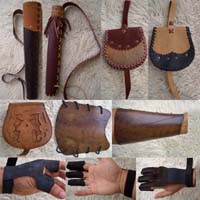
bow accessories


SEE ALL

Welcome to our site! First of all our aim is to introduce the Hungarian traditional recurve bows to you,  to Europe, even more to the whole world.The recurve bows and accessories sold by us are individually hand-made masterpieces, prepared by master traditionalists. You can choose from recurve bows of different ethnic groups.You can pick the one you like the most that can be the pride of your living room but serves as excellent sports equipment as well.We sell the traditional bows of the best hungarian manufacturers only. The selection is mainly from the deservedly world famous Kassai recurve bows, horsebows, but we have Toth recurve bows as well.

These recurve bows will be bows for 25-30 years even at continuous use.

We  undertake 1 year guarantee for every traditional bow!

The recurvebowshop team

Reiterbogenshop.eu